Benign, Premalignant, & Malignant Skin Sores Palm Coastline
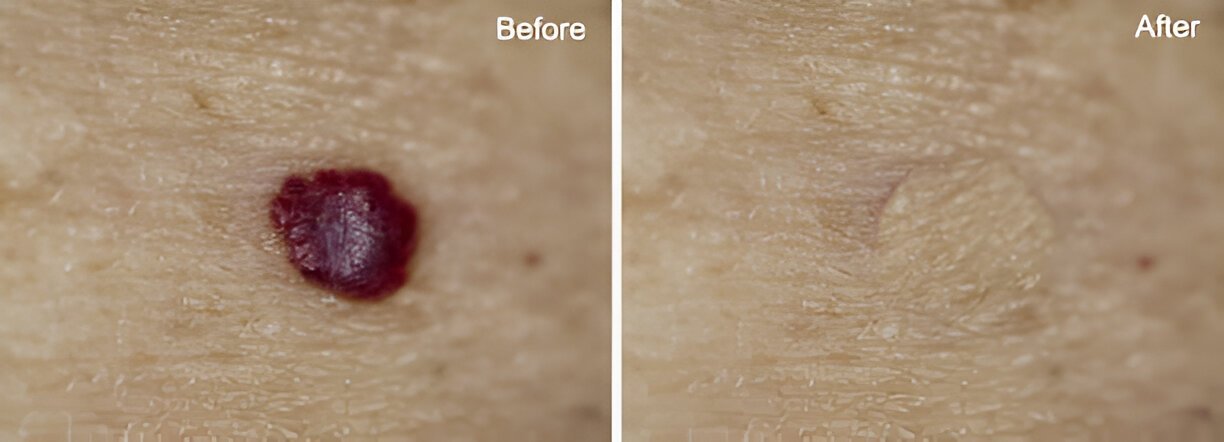
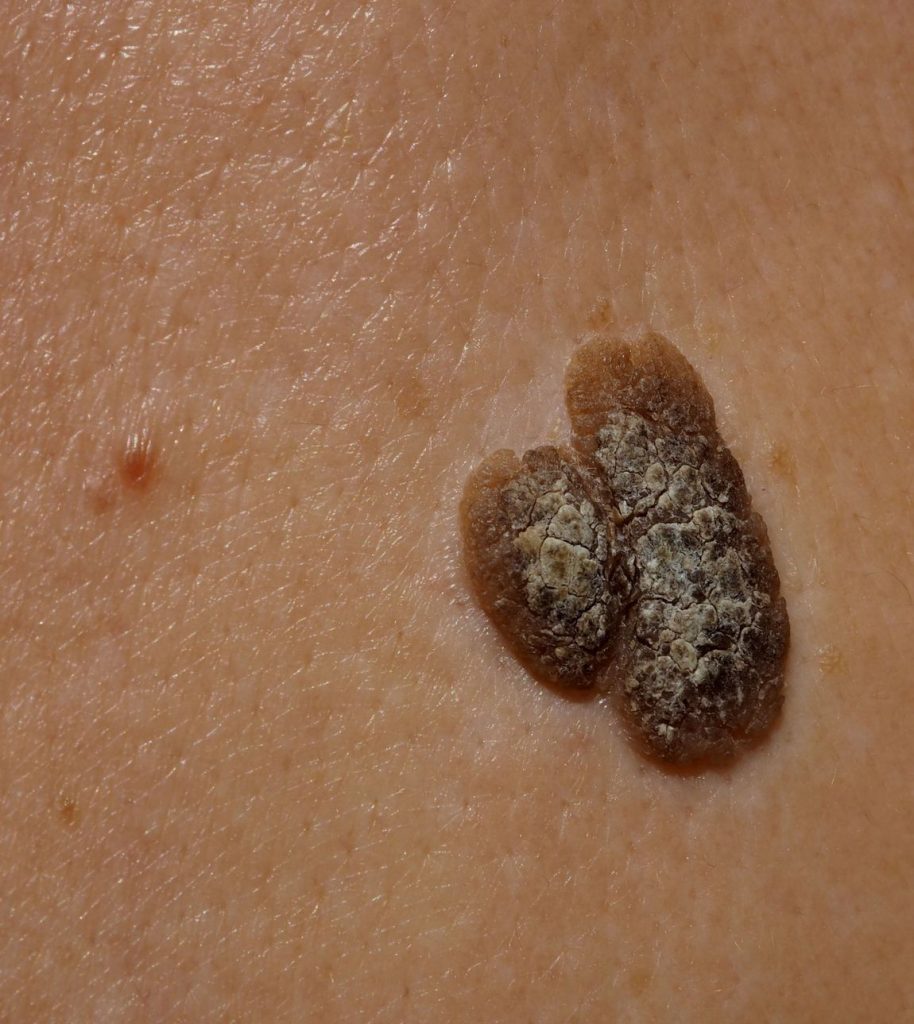
Benign, Premalignant, & Deadly Skin Sores Palm Coastline Familiarizing yourself with the specifying features of usual benign sores can assist you separate in between normal age-related skin modifications and those that may call for professional assessment. After turning 45, both males and females commonly experience an increased frequency of new skin growth. Securing your skin is the very best way to lower your threat of skin cancer cells. In darker skin, melanoma might appear in much less sun-exposed locations, like the palms, soles, or under nails. You don't have to have all these for the spot to be precancerous. Normally appearing on the back, breast, face, or neck as you age, seborrheic keratoses appear as elevated, ceraceous bumps. They range in color from light tan through brownish to black, and while they're not damaging in themselves, they can capture on clothing, coming to be inflamed. If you see any of the ABCDE indicators, see a doctor. You might require a biopsy to see if the lesion is a danger for skin cancer. Skin cancer is the most commonly detected form of cancer cells, affecting millions of people every year. Most skin cancers cells are very treatable, especially if they are caught early. Lots of skin cancers cells just affect the upper layers of the skin, and unusual cells can be removed with a basic treatment. Otherwise, you won't require therapy for these unless their wart-like appearance troubles you. Many people are born with moles which often develop throughout youth and Learn more continue to create with midlife. When people reach the age of 40 or 50, the formation of brand-new moles is less common, and moles have a tendency to fade or might disappear entirely after middle age. A mole that does not have the exact same shade throughout or that has shades of tan, brownish, black, blue, white, or red is questionable.
Just How To Make A Decision In Between Surgical Procedure And Radiation For Prostate Cancer Cells
How to tell if a skin sore is benign?
- Balance fit, colour and structure.Stable or slowly evolving.Absence of
- spontaneous bleeding(bleeding or ulceration may be due to current injury).
- It is very important to recognize what to seek when analyzing your moles.
- Other kinds have a genetic or developing origin.The growth of numerous moles (moles) together with lipomas (fatty swellings) reveals familial patterns and starts throughout early life stages.
- Prompt professional evaluation and therapy intervention by a qualified skin specialist is necessary to prevent malignant improvement.
Squamous Cell Cancer
It frequently happens on the nose, forehead, ears, reduced lip, hands, and various other sun-exposed areas of the body. Squamous cell carcinoma is treatable if caught and treated early. If the skin cancer cells becomes more advanced, therapy will certainly rely on the stage of cancer cells. They can be found in sun-exposed or sun-protected locations of the body. Atypical moles may be larger (one-quarter inch across or bigger) and much more irregular in shape, with scratched or fading borders. The majority of skin moles are benign or noncancerous, but they can change gradually. Restriction View website your exposure to the sunlight's ultraviolet rays, particularly between 10 a.m . While outdoors, freely use a broad range sun block with an SPF of 30 or higher (do not neglect the lips and ears!), put on a hat and sunglasses, and hide with garments. And bear in mind, if you notice changes to your skin such as a new growth, a mole altering look, or a sore that will not recover, see a doctor ideal method. If you locate a mole or spot that has any type of ABCDE's of cancer malignancy-- or one that's tender, itching, oozing, scaly, doesn't recover or has redness or swelling beyond the mole-- see a physician. Your doctor may intend to eliminate a tissue sample from the mole and biopsy it. Associated with actinic keratosis, actinic cheilitis is a precancerous condition that typically shows up on the reduced lips. Scaly spots or consistent roughness of the lips may exist. Less usual symptoms include swelling of the lip, loss of the sharp border in between the lip and skin, and popular lip lines. Actinic cheilitis may progress right into intrusive squamous cell carcinoma if not treated. This is specifically vital for lesions that begin hemorrhaging, create pain, or show irregular borders or differed coloration patterns. The main concern pertaining to seborrheic keratoses comes when they create a deep brownish color, as this coloring can occasionally look similar to hazardous melanoma skin cancers cells.